Master Biz Growth: The Business Life Cycle 101
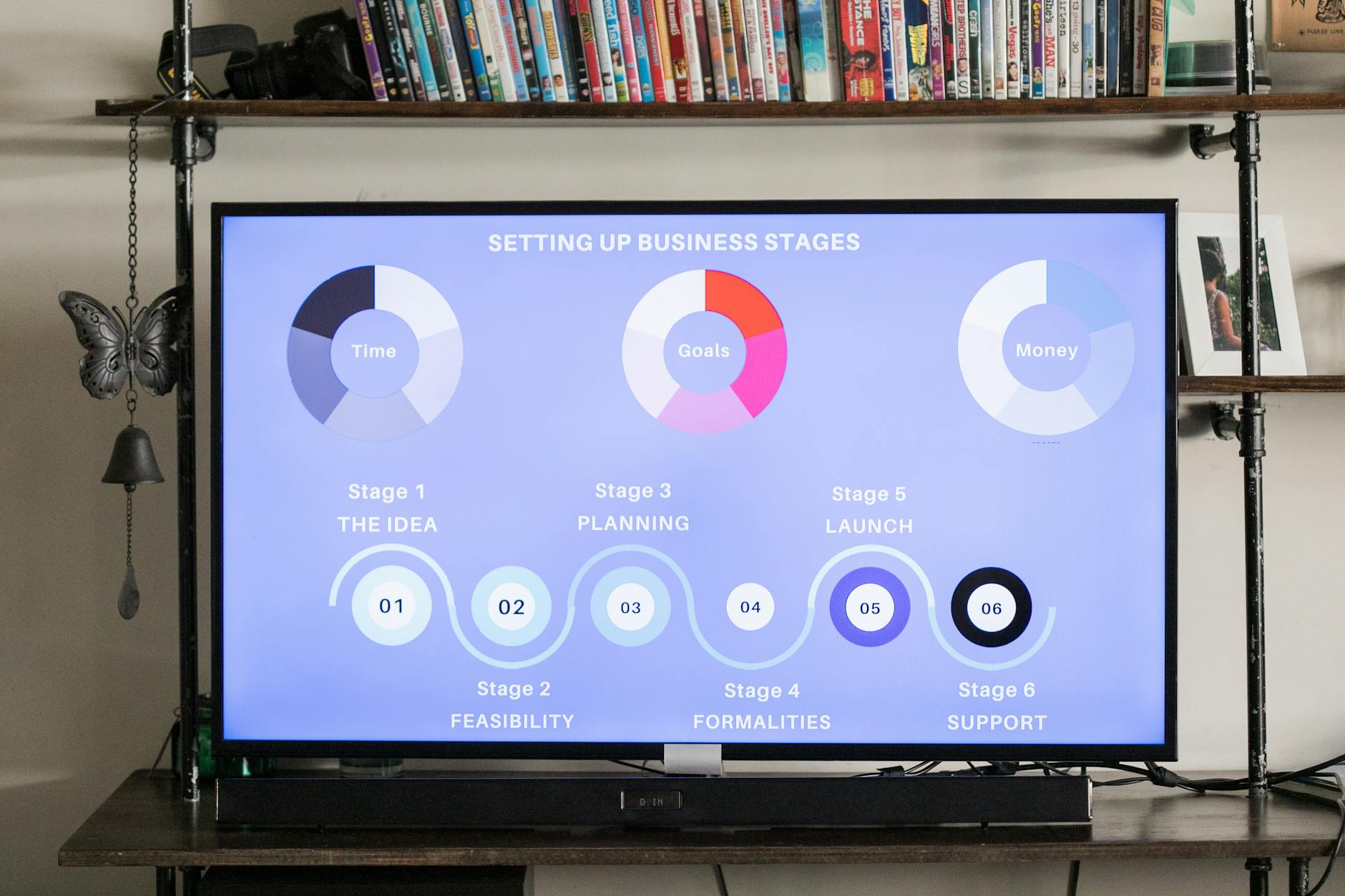
Every business undergoes a series of stages that collectively form the business life cycle. This life cycle is a key framework for understanding the evolution of a business from its initial conception to its eventual maturity and possible renewal or decline. By learning about each stage and the strategies to navigate them, entrepreneurs and business owners can make informed decisions that propel their companies forward. In this essential guide, we'll delve into the key stages of business growth and share expert strategies to effectively manage and capitalize on each phase.
1. The Development Stage
This is the inception phase, where the business idea is conceived. It's a period characterized by research and planning. Business models are created, market analysis is conducted, and feasibility studies are undertaken. Here are strategies for success in the development stage:
-
Conduct Thorough Market Research: Understand your target audience and their needs.
-
Refine Your Business Idea: Iterate your concept based on feedback and research findings.
-
Prepare a Solid Business Plan: This becomes your roadmap for future growth and is essential for attracting investors.
-
Seek Legal Advice: Ensure that you have all the necessary legal frameworks in place.
2. The Startup Phase
This phase is marked by the business's official launch. The primary focus is on establishing a customer base and beginning operations. Strategies for navigating the startup phase include:
-
Build a Strong Brand Identity: Create a recognizable brand that resonates with your target audience.
-
Focus on Customer Acquisition and Retention: Offer exemplary customer service to retain early customers.
-
Monitor Cash Flow Closely: Cash management is crucial as revenue may be limited during this stage.
-
Network Actively: Build relationships with other businesses and potential partners.
3. The Growth Stage
During the growth stage, businesses experience increased sales and may begin to see a profit. It's important to:
-
Invest in Marketing: Scale your marketing efforts to reach a wider audience.
-
Expand Your Team: Hire skilled personnel to manage the increasing workload.
-
Improve Product/Service Offerings: Continuously refine your offerings based on customer feedback.
-
Secure Financing for Expansion: Consider investors or loans to support growth initiatives.
4. The Expansion Phase
This stage is characterized by the scaling of the business. It may involve entering new markets or diversifying product lines. Companies should:
-
Standardize Processes: Ensure efficiency by standardizing operations.
-
Determine New Opportunities: Research new markets or products to drive expansion.
-
Manage Risks: As you grow, be wary of over-expansion and manage risks accordingly.
-
Strengthen Governance: Implement strong governance to support larger operations.
5. The Maturity Stage
The maturity phase signals that the business has reached a stable state of operations with slower growth. To remain competitive, businesses should:
-
Innovate Continuously: Keep iterating on products to meet changing customer needs.
-
Optimize and Cut Costs: Improve processes to reduce costs and increase profits.
-
Explore Strategic Partnerships: Align with other businesses to expand your reach.
-
Plan for the Long Term: Focus on sustainability and long-term strategic planning.
6. The Renewal or Decline
Eventually, businesses may reach a point where they must either renew their approach or face decline. Consider the following:
-
Pivot if Necessary: Be prepared to pivot your business model in response to market changes.
-
Exit Strategies: In some cases, it might be prudent to consider selling the business or merging with another company.
-
Manage Decline: If decline is inevitable, manage it responsibly by considering the interests of stakeholders.
Conclusion
Understanding the various stages of the business life cycle is fundamental to mastering business growth. Each phase has its own unique set of challenges and opportunities, and effective strategies can help navigate these effectively. By staying vigilant, adaptable, and customer-focused, businesses can thrive and maintain a trajectory of growth throughout their lifecycle.
Remember, the path to successful business development is a journey, not a sprint, and requires constant learning and adaptability to shift and evolve with the needs of the market. Use this guide as a cornerstone for building a resilient and prosperous business.